Media
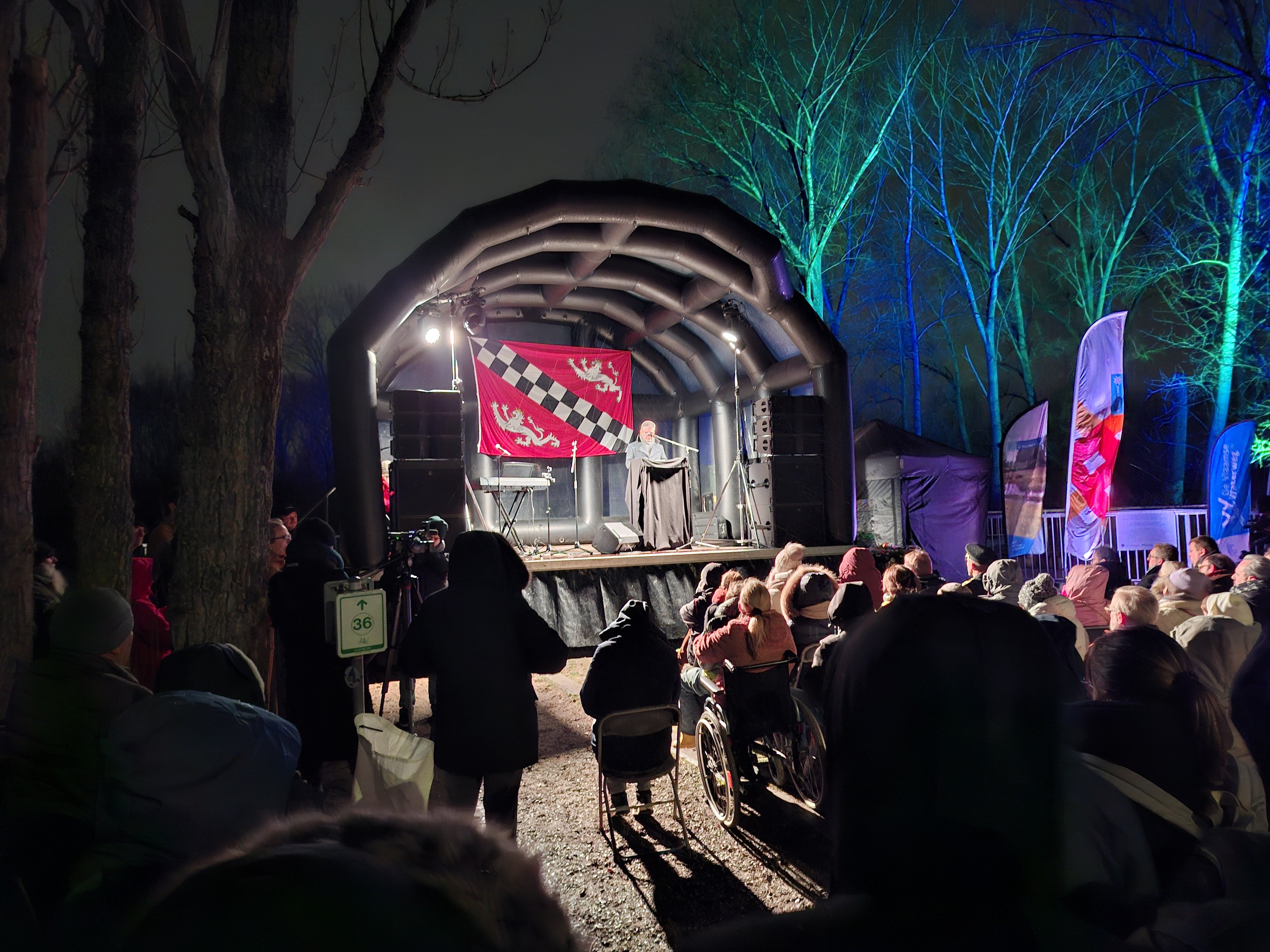
Fifty years after the floods of 1976, Ruisbroek reflected on a dramatic chapter in its history. The commemoration ceremony brought victims, residents and policymakers together in solidarity. Eyewitness Gaston Maes and alderman Yvo Van Damme gave a moving account of the events of 1976. The disaster painfully demonstrated how vulnerable our low countries were, and still are, to flooding. At the same time, it marked the start of intense cooperation between municipalities, regions and water managers: thanks to this cooperation, stronger dykes, better water management and well-thought-out spatial planning were put in place. What Zeeland 1953 was for the Delta Plan in the Netherlands, Ruisbroek 1976 was for the Sigma Plan in Belgium. The Sigma Plan is expected to be completed in 2030.
Crisis management, warning systems and prevention were also structurally improved: the achievements of recent decades prove that only joint efforts can make a difference. This commemoration is therefore not only a moment of remembrance, but also of gratitude. Gratitude for the resilience of the community and the commitment of many partners. Gratitude also for the people of Ruisbroek who brought the issue to the attention of the head of state in 1976, which was extremely unusual at the time, and the then King Baudouin I took this message to heart. In this spirit, the people of Ruisbroek demonstrate that building a safer future can only be achieved through cooperation.
Congratulations to Mayor Koen Van den Heuvel and his team for bringing everyone together with this serene memorial service and conveying this message of cooperation.
Commemoration ceremony Ruisbroek 1976 - 2026
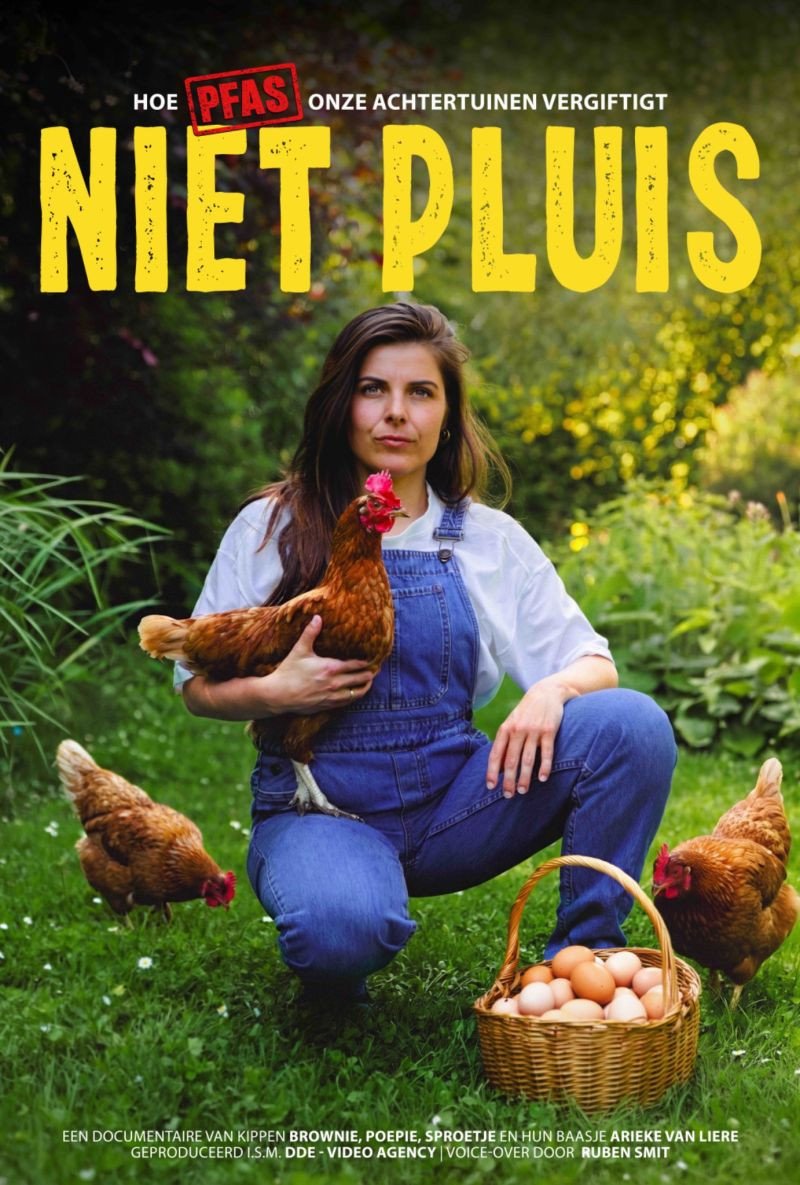
It has now been demonstrated on numerous occasions that PFAS are harmful to health.
The presence of PFAS in our environment – even in the eggs of our free-range chickens – has been observed on several occasions in Zeeland and in the Scheldt.
That’s ‘Niet Pluis’.
Read more about this in the article ‘PFAS: health risks, pollution in Zeeland and around Antwerp, the Scheldt’, and the documentary ‘Niet Pluis’ ‘
PFAS: health risks, pollution in Zeeland and around Antwerp, the Scheldt, and the documentary “Niet Pluis”
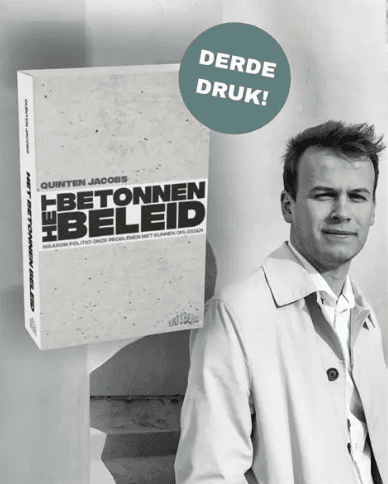
Quinten Jacobs’ book "The Concrete Policy" ("Het betonnen beleid" - 2025) analyses how the political system becomes gridlocked because politicians, constrained by complex state structures, stifling regulations and international dependencies, have hardly any policy scope to tackle real issues such as migration, the economy and energy. As a result, policy often remains stagnant and uninspired, leading to a loss of trust in traditional parties. Jacobs explains why this is the case and makes a case for reforms, such as stronger regions within a more democratic, federal Europe with less restrictive regulation and more scope for genuine political decision-making.
Leon Dhaene, Chair of n²water, sets out his critical reservations and offers a counter-argument to the author, using water management and the implementation of the Water Framework Directive as examples.
BOOK: ‘The Concrete Policy’ by Quinten Jacobs (original title: “ Het betonnen beleid”)